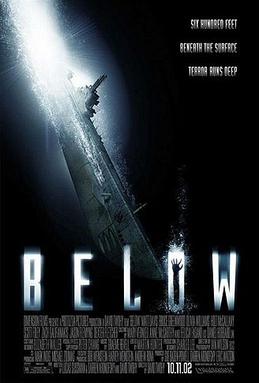
Below (2002): Diving into Supernatural WWII Horror & Mixed Reviews
In the vast, inky depths of the Atlantic during the tumultuous days of World War II, a chilling tale of fear, paranoia, and the supernatural unfolds aboard a U.S. submarine. Below (2002), directed by the masterful David Twohy, takes audiences on a claustrophobic journey that blends historical warfare with an insidious ghost story, proving that some horrors lurk far deeper than enemy U-boats. For those seeking to explore this unique cinematic experience, a quick search for Diptekiler Imdb will lead you to a wealth of information and viewer perspectives on this intense film.
The film thrusts us into the confined quarters of the USS Tiger Shark, a vessel already strained by the pressures of war and the unspoken tensions among its crew. What begins as a routine rescue mission quickly devolves into a descent into madness, as the crew finds themselves haunted by spectral occurrences and their own fractured psyches. It's a gripping narrative that forces characters to confront not only external enemies but also the terrifying reflections of their inner demons in the unforgiving silence of the deep.
A Submarine's Descent into the Unknown: The Plot of Below (2002)
The year is 1943. The USS Tiger Shark, battered but operational, is tasked with retrieving survivors from a torpedoed British hospital ship. Among the rescued are a mysterious nurse, Claire (Olivia Williams), and two other individuals. From the moment they board, an unnerving atmosphere permeates the submarine. Strange noises, flickering lights, and inexplicable events begin to plague the crew. What initially seems like stress-induced hallucinations or mechanical malfunctions soon points to something far more sinister: a malevolent presence that seems to have hitched a ride, or perhaps, has always been there.
Director David Twohy, known for his ability to craft suspenseful sci-fi thrillers like Pitch Black, expertly manipulates the submarine’s tight corridors and creaking metal as instruments of terror. The lack of escape, the constant hum of machinery, and the crushing pressure of the ocean outside amplify the psychological tension. As the paranormal occurrences escalate, old grievances resurface, trust erodes, and the crew's sanity begins to fray. They are trapped, not just by the ocean's depths, but by a haunting secret that threatens to claim them all. This intricate blend of historical setting and supernatural dread makes Below a standout entry in the horror genre, inviting viewers to question what truly lies beneath the surface, both literally and figuratively.
Critical Waters: Navigating Below's Mixed Reviews and Audience Reception
Like the shifting currents of the Atlantic, Below has navigated a varied reception from both critics and audiences since its 2002 release. Its unique premise – a supernatural horror film set within the claustrophobic confines of a WWII submarine – undoubtedly captured attention, but execution proved to be a point of contention for some.
- Rotten Tomatoes: The film holds a respectable 66% on Rotten Tomatoes, with critics generally commending its tense atmosphere and unique setting. Many praised Twohy's ability to create genuine suspense within the limited space of a submarine, noting the film's effectiveness in generating a sense of dread.
- IMDb & Diptekiler Imdb: On IMDb, where many viewers specifically search using terms like Diptekiler Imdb to find details and opinions, Below maintains a solid 6.1/10 rating. This indicates a moderate reception from a broader audience base, with many appreciating the film's suspenseful storytelling and the fresh take on the ghost story genre. Audience reviews frequently highlight the film's ability to keep them on edge and the compelling performances of the cast.
- Metacritic: Metacritic's score of 55/100 reflects a somewhat more lukewarm critical response. While acknowledging the film's ambitious concept, some critics pointed to what they perceived as mixed execution, suggesting that while the ideas were strong, the overall delivery might have faltered in places.
Despite these varied scores, a common thread in positive feedback centers on the strong performances, particularly that of Matthew Davis, who convincingly portrays a crew member under intense psychological and supernatural duress. The film's ability to blend elements of a psychological thriller with outright supernatural horror is also frequently cited as one of its strengths, creating an experience that keeps audiences guessing and provides a truly haunting atmosphere. For a deeper dive into how critics reacted, you might explore articles like Below (2002) Reviews: The Eerie Atmosphere of Twohy's Sub Horror.
Psychological Depths and Unseen Terrors
One of Below's greatest strengths lies in its masterful deployment of psychological horror. The constant threat of enemy attack, coupled with the extreme isolation and cramped living conditions, already creates a breeding ground for anxiety and paranoia among the USS Tiger Shark's crew. Twohy leverages these inherent pressures, blurring the lines between what is truly supernatural and what might be the result of shell shock, sleep deprivation, and mounting fear. The film expertly plays with sensory deprivation and overload, turning every creak of the hull and every distant clang into a potential harbinger of doom.
The ghost, or whatever malevolent entity is at play, acts as a catalyst, exploiting the crew's deepest fears and unresolved guilt. Each character's past seems to weigh heavily on them, creating a collective vulnerability that the unseen force preys upon. This duality – the external threat of the paranormal intertwined with the internal battles of the human mind – elevates Below beyond a simple jump-scare flick. It explores how fear can dismantle reason and unravel the fabric of trust, turning allies into suspects and forcing men to confront their darkest truths in a world where escape is impossible.
For viewers interested in the intricacies of this psychological framework, understanding the delicate balance between the tangible and the spectral is key to appreciating the film's depth. It’s a compelling study of how extreme environments can warp perception and manifest terrors that are both imagined and real. To truly appreciate this facet of the film, consider watching it in a quiet, dark environment to fully immerse yourself in its claustrophobic dread. You can find more analysis on this aspect in discussions like Unraveling Below (2002): WWII Submarine Horror's Psychological Depths.
Why Below (2002) Still Resonates with Audiences Today
Despite its somewhat divisive reception upon release, Below (2002) continues to hold a unique place in the hearts of horror aficionados and those who appreciate a well-crafted genre blend. Its lasting appeal stems from several factors:
- Unique Setting: The WWII submarine setting is inherently terrifying. The idea of being trapped deep underwater, with limited oxygen and no escape, is a primal fear. Adding a ghost story to this already nightmarish scenario creates an incredibly potent foundation for horror.
- Atmospheric Masterclass: Twohy's direction creates an incredibly thick, palpable atmosphere. The sound design, lighting, and camera work all contribute to the feeling of suffocating dread, making the submarine itself feel like a living, breathing, and malevolent entity.
- Psychological Intrigue: The film doesn't rely solely on jump scares. It delves into the minds of the crew, exploring how isolation and fear can lead to paranoia and delusion. This psychological depth adds layers to the horror, making it more disturbing than superficial frights.
- Rewatch Value: For those who enjoy dissecting subtle clues and ambiguous endings, Below offers plenty to ponder on repeat viewings. The questions of whether the haunting is purely supernatural, psychological, or a combination of both, provide a rich discussion point.
Practical Tip for Viewers: To fully appreciate Below, consider watching it with quality headphones. The intricate sound design, from the creaking metal of the submarine to the distant, disembodied whispers, is crucial to building the film's intense atmosphere and amplifying its scares. It transforms the viewing experience into an almost sensory one, placing you right there in the cramped, haunted corridors of the USS Tiger Shark.
Conclusion: The Enduring Chill of Below
Below (2002) stands as a testament to the power of genre blending, offering a chilling and claustrophobic experience that remains memorable years after its release. David Twohy's vision of a World War II submarine haunted by spectral forces, intertwined with the psychological unraveling of its crew, creates a uniquely unsettling film. While its reception was mixed, the film's strong atmosphere, compelling performances, and intelligent use of its confined setting have solidified its place as a cult classic within supernatural and psychological horror circles. Whether you discover it through a casual search or by specifically looking up Diptekiler Imdb for more details, Below offers a truly haunting voyage into the depths of fear and the unknown. It's a film that proves some terrors aren't just found on the battlefield, but deep within the human heart and the unforgiving embrace of the ocean.