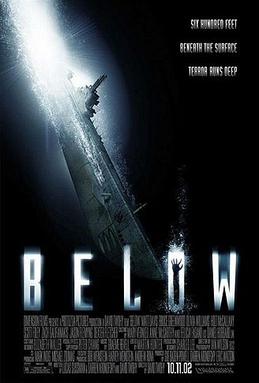
Below (2002) Reviews: The Eerie Atmosphere of Twohy's Sub Horror
In the vast, inky blackness of the ocean's depths, where silence can be as terrifying as any scream, lies a unique subgenre of horror: the submarine thriller. Few films navigate these treacherous psychological and physical waters with the unsettling precision of David Twohy's 2002 supernatural horror, Below. Known in some regions as Diptekiler, which translates to "The Ones in the Depths" (a fitting title for its exploration of both oceanic and human abysses), this film often sparks discussions across platforms like IMDb, where its blend of historical fiction, claustrophobia, and the paranormal continues to intrigue viewers.
Below plunges audiences into the harrowing confines of a World War II submarine, the USS Tiger Shark, where a seemingly routine rescue mission quickly devolves into a descent into madness. Twohy, a director adept at crafting isolated, high-stakes environments, masterfully orchestrates a tale where the unseen enemy proves far more menacing than any U-boat. It's a film that asks profound questions about courage, sanity, and the echoes of the past, all while delivering a genuinely eerie and atmospheric experience that resonates long after the credits roll.
Descending into the Abyss: The Premise of Below (2002)
The year is 1943. The USS Tiger Shark, battered by combat, patrols the perilous waters of the Atlantic. Its crew, already shell-shocked by the war, faces an unexpected new challenge: rescuing survivors from a torpedoed British hospital ship. Among the rescued is a mysterious woman, further unsettling the already superstitious crew. As strange occurrences begin to plague the submarine – phantom voices, inexplicable malfunctions, and an increasing sense of dread – the men find themselves grappling with a horror that transcends the battlefield.
Twohy uses the submarine's narrow corridors and constricted spaces not just as a setting but as a character itself, an iron coffin amplifying every fear, every suspicion. The film brilliantly exploits the inherent claustrophobia of a submarine, trapping its characters (and by extension, the audience) in a metal tube miles beneath the surface, where escape is impossible and help is an eternity away. This physical constraint becomes a powerful metaphor for the psychological prisons the crew finds themselves in, tormented by their own haunted pasts and the escalating supernatural threats. The narrative cleverly blurs the lines between sensory delusions, mental deceptions, and genuine paranormal activity, making viewers question what is real and what is a product of their shared terror.
David Twohy's Signature: Crafting Claustrophobic Terror
David Twohy is no stranger to crafting intense, isolated narratives. His filmography, including sci-fi cult classics like Pitch Black and The Chronicles of Riddick, showcases a director with a knack for building immersive worlds and placing characters under extreme duress. In Below, Twohy channels this expertise into the horror genre, leveraging the unique environment of a WWII submarine to create a palpable sense of dread.
Twohy's direction emphasizes atmosphere over jump scares, allowing the psychological tension to build organically. He masterfully uses sound design – the creaks and groans of the submarine's hull, the distant, muffled echoes of unseen forces, the unnerving silence – to heighten the sense of unease. The dark, often dimly lit sets further enhance the feeling of being trapped in a watery tomb. The film is less about grotesque monsters and more about the creeping realization that the threat isn't just external; it's deeply internal, fueled by guilt, paranoia, and the confined spaces that breed madness.
The ensemble cast, notably Matthew Davis as the skeptical Ensign Odell, delivers convincing performances, portraying men pushed to their breaking point. Their frantic attempts to understand and combat the escalating supernatural occurrences, while simultaneously battling their own fraying sanity and the very real dangers of submarine warfare, form the emotional core of the film. Twohy expertly blends the visceral fear of combat with the existential terror of the unknown, creating a potent mix that defines this distinct sub-horror experience.
Below's Critical Reception: A Deep Dive into Mixed Reviews
Upon its release, Below garnered a mixed bag of reviews, reflecting its ambitious concept and sometimes uneven execution. Rotten Tomatoes gives it a rating of 66%, with critics often praising its "tense atmosphere and eerie setting." Many highlighted its suspenseful storytelling and the film's ability to keep audiences on edge.
On IMDb, where it's tracked as Below (2002) and often discussed under its international titles like Diptekiler, the film holds a rating of 6.1/10. This moderate score indicates that while many viewers appreciated the film's unique premise and the effective suspense, some found its supernatural elements or pacing less impactful. Metacritic's score of 55/100 further solidifies this lukewarm reception, citing the film's strong concept but acknowledging areas where its execution could have been sharper.
What Critics Appreciated:
- Atmosphere and Setting: The claustrophobic WWII submarine environment was almost universally lauded for its contribution to the film's pervasive dread.
- Psychological Tension: The blend of historical setting with psychological horror was a significant draw, creating a unique narrative space.
- Performances: The cast, particularly Matthew Davis, was often singled out for their believable portrayal of men under extreme stress.
Common Criticisms:
- Mixed Execution: While the concept was strong, some felt the supernatural elements didn't always land with maximum impact, or that the film struggled to maintain consistent pacing.
- Clarity of Threat: The ambiguity between psychological breakdown and genuine paranormal activity, while effective for some, left others wishing for a clearer antagonist.
Despite its varied critical reception, fans seeking supernatural thrillers often discover Below, sometimes under its international title Diptekiler, where its IMDb page offers a community hub for discussion and renewed appreciation for its distinct take on the horror genre.
Beyond the Depths: What Makes Below Enduring?
Even two decades after its release, Below continues to fascinate and unnerve viewers. Its enduring appeal lies in several key aspects that transcend typical horror tropes:
- Universal Fears: The film taps into primal fears: claustrophobia, isolation, the unknown, and the unsettling realization that one might be trapped with an inescapable threat. These are timeless anxieties that resonate deeply.
- Historical Context: Setting the horror against the backdrop of WWII adds a layer of grim realism and historical weight. The crew is already fighting for survival against a human enemy, making the introduction of a supernatural one even more terrifying.
- Psychological Depth: Below delves into the human psyche under extreme pressure. It explores how fear, guilt, and superstition can twist perceptions and sow discord within a tightly knit group. This psychological aspect elevates it beyond a mere ghost story.
- Atmospheric Masterclass: The film is a masterclass in building atmosphere. Its subtle scares, pervasive dread, and reliance on sound and shadow create an immersive, unsettling experience that many modern horror films often overlook.
For those intrigued by the psychological depths explored in Twohy's film, further insights can be found in discussions like Unraveling Below (2002): WWII Submarine Horror's Psychological Depths. Additionally, a broader look at its place in the genre and the nuances of its critical reception is explored in Below (2002): Diving into Supernatural WWII Horror & Mixed Reviews.
Conclusion
Below (2002), whether you know it as its original title or its international counterpart Diptekiler, stands as a compelling and often overlooked entry in the supernatural horror genre. David Twohy’s direction creates an intensely claustrophobic and eerily atmospheric film that uses its unique World War II submarine setting to maximum effect. While its critical reception may have been mixed, its power to generate suspense, explore psychological terror, and deliver a genuinely haunting experience is undeniable. For anyone seeking a horror film that trades cheap scares for deep-seated dread and a chilling atmosphere, Below is a compelling voyage into the unknown that is well worth experiencing.