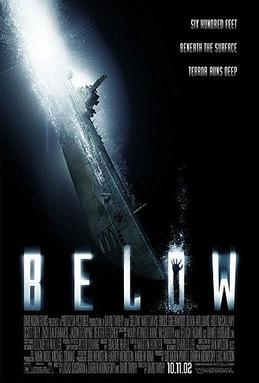
Unraveling Below (2002): WWII Submarine Horror's Psychological Depths
In the annals of cinema, certain films manage to carve out a unique niche, blending genres in a way that confounds conventional categorization. David Twohy's 2002 supernatural horror film,
Below, is a prime example. Transporting audiences into the claustrophobic confines of a World War II submarine, the movie masterfully fuses historical drama with chilling paranormal activity, all while delving into the fragile psychological states of its trapped crew. For those searching for this atmospheric thriller, perhaps even under its international title,
Diptekiler, IMDb and other review aggregators offer a glimpse into its reception, but the true depth of its terror lies in its expertly crafted suspense and unsettling premise.
Set against the grim backdrop of the Atlantic during WWII,
Below is more than just a ghost story; it's a harrowing descent into paranoia, fear, and the unknown, where the most terrifying threats might not be the enemy outside, but the specters within—both literal and metaphorical. This film offers a compelling argument for the power of setting in horror, proving that sometimes, the most effective scares come from being utterly inescapable.
The USS Tiger Shark's Doomed Voyage: A Submarine Tale of Terror
The film plunges viewers into the submerged world of the USS Tiger Shark, a U.S. submarine tasked with what should be a straightforward rescue mission. They're to retrieve survivors from a sunken British hospital ship. However, from the moment these new passengers step aboard, an eerie shift occurs. The already tense atmosphere of a wartime submarine, with its narrow corridors, metallic groans, and pervasive sense of danger, becomes a breeding ground for something far more sinister.
Director David Twohy, known for his work in sci-fi horror, meticulously crafts the environment. The submarine itself acts as a character – a steel coffin designed to withstand external pressures, yet utterly vulnerable to internal strife and supernatural intrusion. The dark, silent depths of the ocean amplify every creak and whisper, blurring the lines between reality and delusion for the shell-shocked crew. This is not just a vessel navigating treacherous waters; it's a vessel navigating the treacherous terrain of human fear and guilt. The routine mission quickly devolves into a struggle for survival against an unseen enemy that seems to know their deepest regrets and exploit their greatest fears.
Whispers from the Deep: Unpacking Below's Psychological Horror
What elevates
Below beyond a standard jump-scare fest is its profound exploration of psychological horror. The confined space of the submarine, coupled with the profound stress of war, creates a perfect storm for mental instability. The crew members, already strained by the realities of their mission, find their sanity eroding as unexplained phenomena begin to plague the vessel. Objects move, voices echo, and a pervasive sense of dread settles over everyone onboard.
The film excels at making the audience question what is real and what is a product of the crew's escalating paranoia. Are these genuinely supernatural occurrences, or are they manifestations of their collective trauma and guilt? The genius of
Below lies in maintaining this ambiguity, allowing the horror to fester in the minds of both the characters and the viewers. Each crew member carries their own burden of the past, and the entities haunting the Tiger Shark seem to prey specifically on these vulnerabilities. Matthew Davis, in particular, delivers a convincing portrayal of a man grappling with his own demons amidst the escalating chaos, anchoring the human element of the supernatural siege. The film effectively demonstrates how isolation, lack of sleep, and constant danger can strip away rational thought, leaving individuals susceptible to sensory delusions and mental deceptions. The true terror isn't just the ghost, but the breakdown of trust and the fraying of human connection in the face of the inexplicable.
Navigating the Critical Currents: What the Ratings (and Diptekiler Imdb) Reveal
Upon its release,
Below garnered a diverse range of critical and audience opinions, a common fate for films that dare to blend distinct genres. For those researching the movie, perhaps by searching "Diptekiler Imdb" to find its international listing and user scores, the aggregated reviews paint a picture of a film with ambition but mixed execution.
Rotten Tomatoes assigns
Below a rating of 66%, with critics often commending its tense atmosphere and eerie, claustrophobic setting. This suggests that the film succeeded in creating an immersive and unsettling environment, which is paramount for any horror film, especially one set in such a unique location. Reviewers frequently praised the palpable sense of dread and the ingenious use of the submarine's interior to enhance the horror.
However, the consensus isn't universally glowing. IMDb, a widely consulted platform often searched for films like "Diptekiler Imdb," shows a rating of 6.1/10, indicating a moderate but not overwhelmingly enthusiastic reception from general viewers. Similarly, Metacritic's score of 55/100 reflects a somewhat lukewarm response, with some critics acknowledging the film's innovative concept but pointing to uneven pacing or a storyline that didn't fully capitalize on its potential. Common criticisms often revolve around the narrative sometimes struggling to balance its supernatural elements with the psychological drama, occasionally leading to moments where the ambitious concept felt slightly under-delivered.
Despite the mixed bag of reviews, the consistent praise for its atmosphere and setting underscores the film's undeniable strength in crafting an immersive horror experience. It's a testament to Twohy's directorial vision that even critics with reservations often highlighted the film's ability to keep audiences on edge, blending psychological tension with supernatural intrigue. For a deeper dive into these critical discussions, you might find valuable insights in articles such as
Below (2002): Diving into Supernatural WWII Horror & Mixed Reviews or
Below (2002) Reviews: The Eerie Atmosphere of Twohy's Sub Horror.
Beyond the Depths: The Lasting Impact and Why You Should Watch
Despite its mixed critical reception,
Below has cultivated a loyal following and retains a unique place within the horror genre. Its enduring appeal lies in several key aspects that make it a compelling watch even years after its release.
*
A Unique Blend of Genres: The film successfully marries the historical gravitas of WWII with the chilling suspense of a supernatural thriller. This combination is rare, offering something distinct from typical ghost stories or war dramas. It appeals to audiences who appreciate genre-bending narratives.
*
Masterclass in Claustrophobia: The submarine setting is not just a backdrop; it's a character that actively contributes to the horror. For anyone with a touch of claustrophobia, the film's ability to convey the oppressive, inescapable nature of the USS Tiger Shark is incredibly effective. It's a brilliant example of environmental storytelling.
*
Psychological Depth: Unlike many horror films that rely solely on jump scares,
Below delves into the minds of its characters. It explores how fear, guilt, and isolation can erode sanity, making the internal battle as terrifying as any external threat. This adds a layer of sophistication that resonates with viewers who appreciate psychological thrillers.
*
Atmospheric Excellence: Twohy's direction ensures a consistent sense of dread. The use of sound, lighting, and camera angles within the cramped quarters creates a perpetually uneasy feeling, making the film a truly atmospheric experience.
Practical Tip for Viewing: To truly appreciate
Below, watch it in a dark room with good sound. The film's strength lies in its ability to envelop the viewer in its claustrophobic and eerie environment, and optimal viewing conditions will enhance this immersive quality. Expect a slow burn that builds tension rather than relying on constant cheap scares, and prepare for a journey that explores not just what lies in the deep, but what lurks within the human mind.
Conclusion
Below (2002) stands as a fascinating, albeit imperfect, entry in the supernatural horror canon. David Twohy’s vision to combine the inherent terrors of a WWII submarine mission with a haunting paranormal presence creates a truly unique and memorable experience. While its critical scores, often sought out by audiences using terms like "Diptekiler Imdb," suggest a moderate reception, its undeniable strengths lie in its suffocating atmosphere, strong psychological undercurrents, and compelling performances. It's a film that asks profound questions about courage, sanity, and what lurks beneath the surface – both of the ocean and of the human psyche. For those seeking a different kind of horror, one that slowly crawls under your skin and stays there,
Below offers a chilling journey into the psychological depths, proving that some specters are best confronted when trapped together in the dark.